The Best Time of Year to Camp in the Australian Outback
Disclosure: As an Amazon Associate, OutbackKit earns from qualifying purchases. Some links on this page are affiliate links, so we may earn a small commission if you buy through them, at no extra cost to you. We only point to gear we’d be happy to take on our own trips.
Timing can make or break an outback trip. Go at the right time and you’ll get clear blue days, cool nights and open roads. Go at the wrong time and you could face dangerous heat, flooded tracks or closed parks. Here’s how to pick the best time.
Seasons vary by year and region. Always check current road conditions, park alerts and weather before and during your trip.
The short answer
For most of central and northern outback Australia, the cooler, drier months, roughly April to September, are the most popular and comfortable time to camp. Days are usually mild to warm, and roads in the north are more likely to be open.
Central Australia (the Red Centre)
Includes areas such as Uluru, Kings Canyon and the MacDonnell Ranges.
- Autumn and spring: often the most pleasant, with warm days and comfortable nights.
- Winter: sunny days but cold nights, sometimes near or below freezing. Pack warm gear. See how to sleep warm in cold weather.
- Summer: temperatures can be extreme and dangerous. Some walks close early in the day on hot days. Summer outback trips need serious preparation, if you go at all.
Northern Australia (the Top End and Kimberley)
- Dry season (roughly May to October): the main camping season. Many unsealed roads and campgrounds open as the wet season ends, though some open later depending on how wet the season was.
- Wet season (roughly November to April): heat, humidity, storms and flooding. Many unsealed roads and some parks close. Some waterfalls are spectacular, but access can be limited.
- The build-up before the wet can be very hot and humid.
Southern outback
Areas such as outback NSW and the Flinders Ranges in SA are often best in autumn, winter and spring. Summer can be very hot, and winter nights can be cold.
Things to watch whatever the season
- Heat: carry plenty of water and avoid exertion in the heat of the day. Read camping in hot weather.
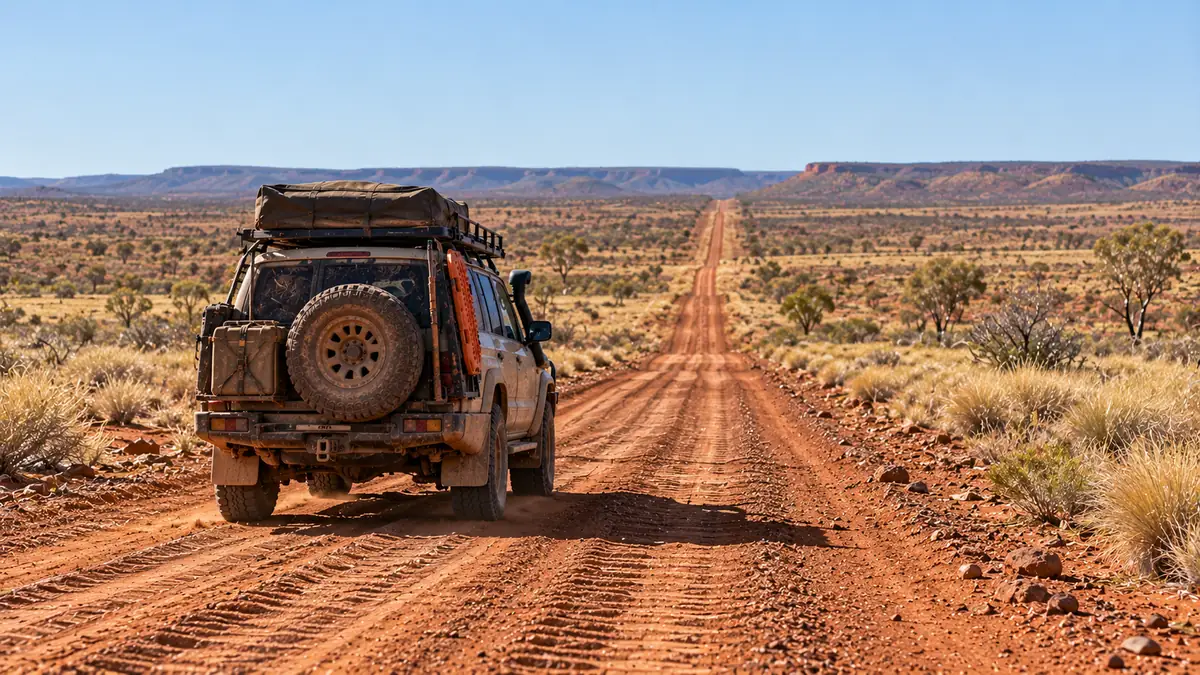
- Rain and road closures: unsealed roads can close after rain, and driving on closed roads can bring fines and damage the track.
- Fire danger: check fire bans daily. See campfire safety and fire bans.
- School holidays: popular campgrounds fill up, so book ahead where you can.
- Flies: often worst in warmer months. A fly net is worth packing. (fly nets on Amazon)
Planning tips
- Book popular campgrounds early, especially in the peak cooler months.
- Check road reports with the relevant state or territory roads authority before you leave.
- Plan water, fuel and comms carefully. Our planning a remote outback trip guide covers all three.
- Use the right tyre pressures on gravel and sand. See 4WD tyre pressures and tyre care.
- Pack for both heat and cold. Desert days can be warm while nights get very cold.
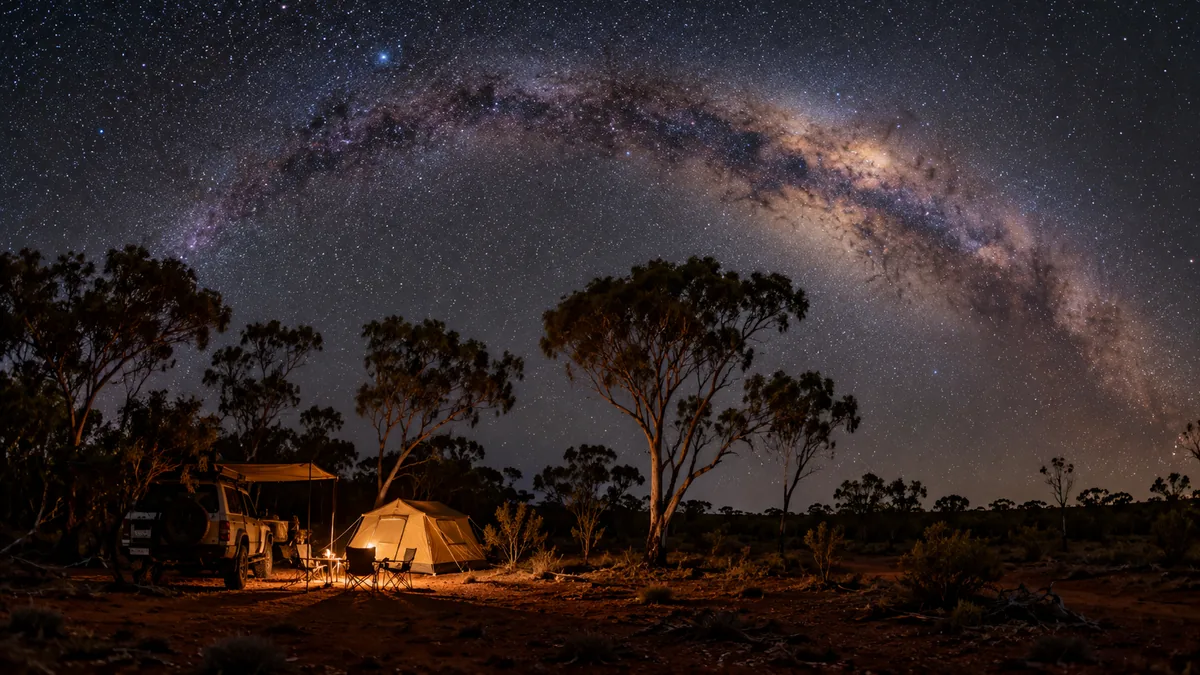
- Plan for clear nights. The dry season means great stargazing. See night sky photography in the outback.
For your gear, start with your first outback camping checklist.
The bottom line
For most outback trips, aim for the cooler, drier months from about April to September. Avoid the peak of summer in the centre and the wet season in the north unless you’re well prepared. Whatever the season, check road conditions, carry plenty of water and pack for cold nights.